
Do Dental Crowns Look Natural? Aesthetic Benefits Explained
Dental Crowns and Aesthetics
When decay, fracture, or other damage weakens a tooth, protective treatment may be recommended.
A crown is used to rebuild its structure and help prevent further damage. Because the crown replaces the visible portion of the tooth, its color, contour, and surface are adjusted to sit naturally within your smile. In many cases, patients who receive Dental Crowns in Portland are concerned about appearance, so planning focuses on both function and how the restoration will look in everyday situations.
What Makes a Dental Crown Look Natural
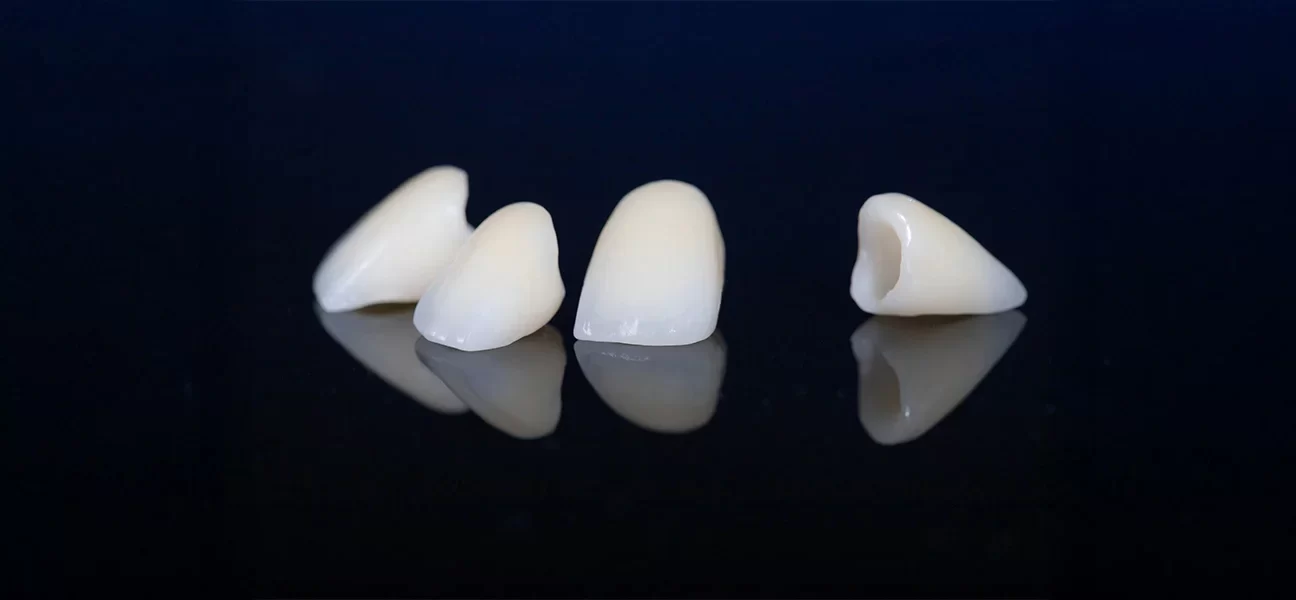
Natural teeth are not uniform. They have depth, light reflection, and subtle surface variation. A crown is designed to reproduce these features so it does not appear flat or artificial.
Key elements we evaluate include:
- Light reflection and translucency similar to enamel
- Surface texture that avoids a smooth or plastic-like look
- Edge detail that matches adjacent teeth
- Crown margin placement along the gumline
Even small differences in these areas can make a restoration more noticeable, which is why each step is adjusted carefully.
Materials Used for Natural-Looking Crowns
The material used affects how closely a crown resembles natural enamel. Ceramic and porcelain are commonly used for visible teeth because they reflect light similarly. Zirconia is often chosen for back teeth where greater strength is required, though newer versions also improve aesthetics.
Metal-based crowns are generally avoided in visible areas since they do not replicate natural light behavior. When you visit a dentist in Portland, material selection is based on both the tooth’s location and the force it needs to withstand.
Color Matching and Shade Selection
Shade matching involves more than selecting a single color. Natural teeth often exhibit variation across their surfaces. For example:
- Slightly darker tones near the gumline
- Lighter or more translucent edges
- Subtle differences between neighboring teeth
We evaluate these variations along with surrounding teeth and restorations. This helps ensure the crown does not appear brighter or duller when you speak or smile under normal lighting.
Shape, Size, and Contour Customization
A crown is shaped to follow the natural anatomy of your tooth. This includes contours, grooves, and contact points that guide how your teeth come together.
If these features are not properly designed:
- The crown may appear bulky or flat
- Bite pressure may become uneven
- Adjacent teeth may experience added stress
Proper contouring allows the crown to sit comfortably and function naturally.
Crowns for Front Teeth vs. Back Teeth
Front teeth require more detailed aesthetic planning because they are visible when you speak or smile. In these cases, we focus on translucency, surface detail, and edge shape.
Back teeth are exposed to stronger chewing forces, so durability becomes the priority. Even then, the goal is to maintain consistency with surrounding teeth so the restoration does not stand out.
Role of Dental Technology in Aesthetic Results
Modern technology improves both accuracy and predictability. Digital scans capture your tooth’s structure in detail, helping reduce distortion. CAD/CAM systems are then used to design crowns that align with your bite.
This process:
- Improves how the crown fits
- Reduces the need for adjustments
- Supports a more natural function after placement
Comparing Crowns to Natural Teeth Appearance
A well-designed crown can closely resemble a natural tooth under normal conditions. However, natural teeth may stain or wear over time, while crowns tend to maintain their original shade.
If surrounding teeth change color, the difference may become more noticeable. This is considered during planning so the crown continues to look consistent over time.
Benefits of Custom-Made Dental Crowns
Custom crowns are designed specifically for your tooth and bite. This allows better force distribution and reduces stress on surrounding structures.
From a clinical perspective, customization helps:
- Maintain proper bite alignment
- Reduce uneven wear
- Improve how the crown integrates within your smile
This approach is often discussed when patients are evaluating options with a dentist near you, since results depend on how well the restoration is tailored to the individual tooth.
Limitations and Potential Aesthetic Concerns
Although crowns are designed to look natural, certain changes can affect their appearance over time. These may include:
- Gum recession exposing the crown margin
- Differences in translucency under strong lighting
- Color changes in the surrounding natural teeth
These factors are not common concerns but are discussed in advance so expectations remain realistic.
Caring for Crowns to Maintain Appearance
Maintaining a crown involves caring for the surrounding tooth and gum tissue. Brushing and flossing help reduce plaque buildup at the margins.
Gum inflammation or recession can expose the edge of the crown, which may affect its appearance. Regular dental visits allow early detection of these changes and help maintain long-term results.
Longevity of Aesthetic Results
Crowns are made from materials that resist staining and surface wear.
Over time, the surrounding teeth and gum tissue may change, which can affect how the crown appears in comparison. Periodic evaluation helps monitor these changes and maintain consistency.
Clinical Factors That Influence Aesthetic Outcomes
The overall look of a crown depends on more than material choice. Several clinical factors play a role, including:
- The condition of the underlying tooth
- Gumline position and tissue health
- Bite alignment and pressure distribution
Minor changes to the bite or gum line may sometimes be recommended to support better function and appearance.
When a Crown Is Recommended Instead of Other Options
A crown may be recommended when a tooth has lost strength and needs protection.
This may include teeth with:
- Large fractures
- Extensive decay
- Previous root canal treatment
- Significant wear
The decision is based on how much healthy structure remains and how the tooth functions within your bite.
Achieving a Natural-Looking Smile
A well-planned crown restores strength while maintaining a natural appearance within your smile. The focus is not only on repairing the tooth, but also on how it fits into your bite and functions over time.
At Portland Dental, treatment planning considers structural support, bite alignment, and long-term stability. Care provided by Dr. Kaveendra T. Ranasinghe is based on evaluating these factors to ensure the restoration remains consistent with the surrounding teeth.